⛰️🏕️🏝️The Maroons/Run Away Slaves⛰️🏕️🏝️
Welcome 👦👧boys and girls to Social Studies class. Today we will be exploring the Maroons known as the Run Away Slaves
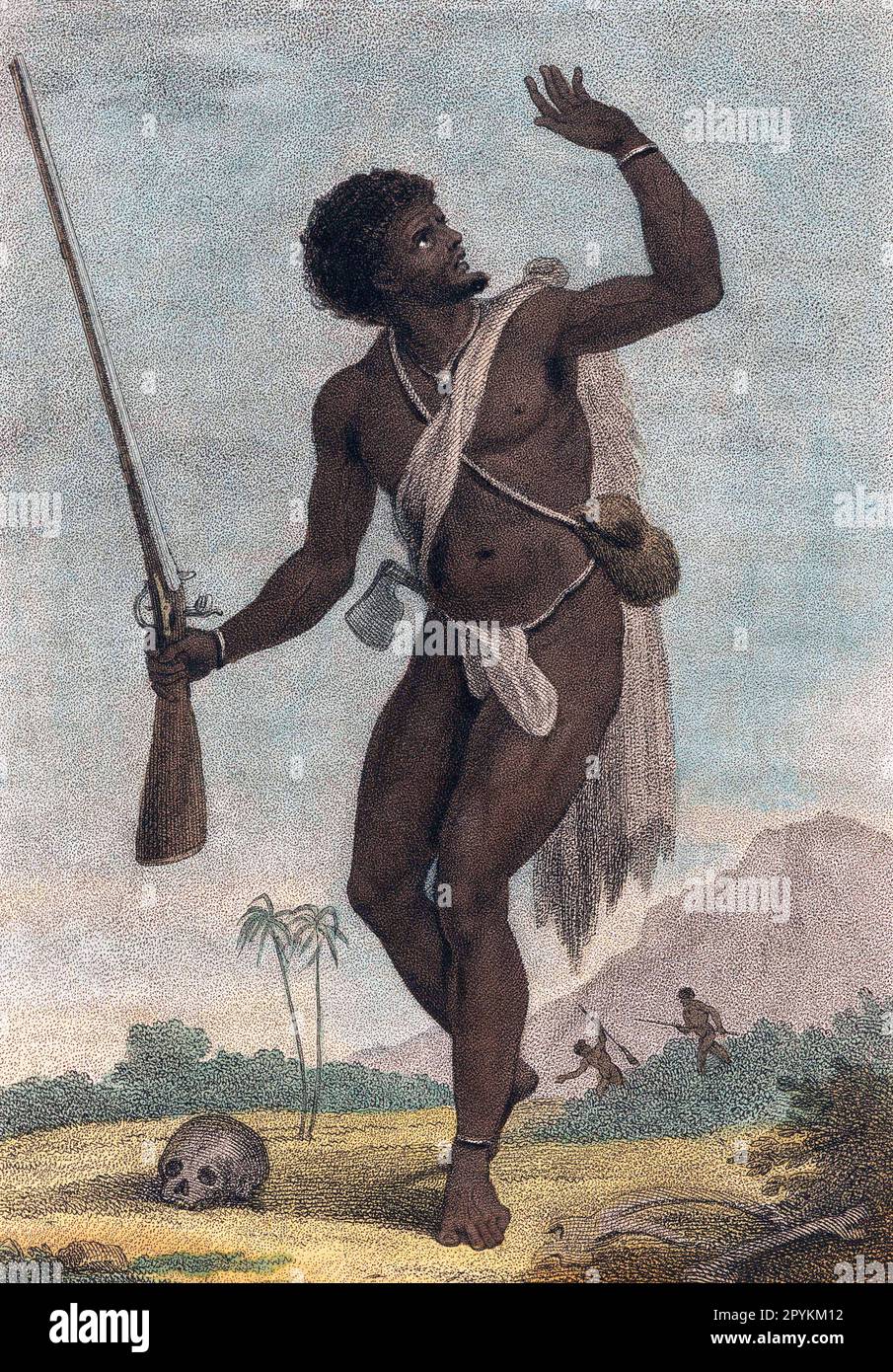 The Maroons: Runaway Slaves in Jamaica
The Maroons are descendants of enslaved Africans who escaped from plantations in Jamaica. They formed independent communities in the mountains, where they lived freely and resisted British colonial rule.
History of the Maroons
- Enslavement: In the 1600s, many Africans were brought to Jamaica as enslaved people to work on sugar plantations.
- Escape: Some enslaved people escaped to the mountains to find freedom. These groups became known as Maroons.
- First Maroon War (1720-1739): The Maroons fought against British colonial forces to protect their land and freedom.
Nanny of the Maroons
- Who Was Nanny?: Nanny was a famous leader of the Maroons. She is often referred to as "Nanny" or "Nanny of the Maroons."
- Leadership: Nanny was known for her strong leadership and clever strategies in battle. She helped unite the Maroon communities and led them in their fight against the British.
- Symbol of Resistance: Nanny is celebrated as a symbol of courage and resistance to oppression. She is also recognized as a National Hero of Jamaica.
Areas Settled by the Maroons
The Maroons established settlements in several mountainous areas of Jamaica, including:
- Cudjoe’s Town: Located in the Trelawny Parish, named after another prominent Maroon leader, Cudjoe.
- Nanny Town: In the Blue Mountains, named in honor of Nanny of the Maroons.
- Moore Town: Another settlement in the Portland Parish, established by Maroons.
- Accompong: Located in St. Elizabeth, named after Cudjoe’s brother, Accompong.
Cockpit Country: This area is known for its rugged terrain and dense vegetation, making it difficult for colonial forces to pursue the Maroons. It includes settlements like Trelawny Town and Accompong, which were established by the Leeward Maroons.
Eastern Parishes: The Windward Maroons are located in the eastern part of Jamaica, with notable communities such as Moore Town, Nanny Town, and Charles Town in Portland and St. Thomas. These areas also feature challenging landscapes that aided in their defense against colonial forces.
Significance of the Maroons and Nanny
- Cultural Heritage: The Maroons have a rich cultural heritage, including music, dance, and traditions that are still celebrated today.
- Freedom Fighters: The Maroons fought for their freedom and played a crucial role in resisting colonial rule.
- National Heroes: Nanny of the Maroons is honored as a National Hero in Jamaica for her contributions to the fight for freedom.
The Reasons the Maroons Settled in Mountains
- Geographical Advantage:
- The Maroons picked hilly and
mountain areas.
- These places were hard to
reach, helping them stay safe from enemies.
- Access to Resources:
- The land was good for farming
and had many animals to hunt.
- This allowed them to grow
food and support their communities.
- Isolation from Colonial Powers:
- They lived in remote areas to
avoid colonial leaders.
- This distance helped them
build their own communities and traditions.
- Historical Context:
- The Maroons began in the 17th
century when enslaved Africans escaped.
- They chose places where they could come together and fight for their freedom, creating a strong community.
Simple definitions for each term
- Rebellion:
A rebellion is when a group of people fights against those in charge because they want change or freedom. - Maroons:
Maroons are descendants of enslaved Africans who escaped from plantations and formed their own free communities in the mountains. - Descendants:
Descendants are people who come from a specific person or group, like children, grandchildren, and so on. - Nation Builder:
A nation builder is a person who helps create or improve their country, making it better for everyone. - National Hero:
A national hero is someone who is celebrated for doing something great for their country, often by fighting for freedom or justice. - Matto:
Matto refers to a type of traditional Jamaican folk song or music that tells stories about life and culture. - Emancipation:
Emancipation is the act of freeing people from slavery or control, allowing them to live freely.
- Geographical Advantage:
Summary
The Maroons are an important part of Jamaica’s history. They escaped enslavement and formed their own communities, led by figures like Nanny of the Maroons. Their legacy of resistance and cultural heritage continues to be celebrated in Jamaica today.
👦👧boys and girls let us watch the video clip on the Maroons or Run Away Slaves.
Click and watch Click and watch Click and watch
👦👧boys and girls let do the activities below
This section has four (4) different activities
Task 1
-
Who were the Maroons?
- A) Enslaved people who stayed on plantations
- B) Runaway enslaved people who formed their own communities
- C) British soldiers
- D) Jamaican farmers
-
What was Nanny of the Maroons known for?
- A) Being a British general
- B) Leading the Maroons in their fight for freedom
- C) Planting sugar canes
- D) Writing books
-
Where did the Maroons settle?
- A) In the flat plains
- B) In the mountains
- C) On the beaches
- D) In the cities
-
What was the First Maroon War?
- A) A celebration
- B) A fight against British forces
- C) A farming competition
- D) A dance party
-
Which settlement was named after Nanny?
- A) Cudjoe’s Town
- B) Nanny Town
- C) Moore Town
- D) Accompong
-
What did the Maroons fight for?
- A) More sugar
- B) Freedom from slavery
- C) Better crops
- D) British citizenship
-
Nanny of the Maroons is celebrated as what in Jamaica?
- A) A musician
- B) A National Hero
- C) A farmer
- D) A teacher
-
What type of heritage do the Maroons have?
- A) They have a rich cultural heritage.
- B) They do not have any culture.
- C) They only celebrate British traditions.
- D) They have a modern heritage.
True or False Questions
-
The Maroons were enslaved people who never escaped.
- True / False
-
Nanny of the Maroons was a strong leader.
- True / False
-
The Maroons settled mainly in flat areas.
- True / False
-
The First Maroon War lasted for many years.
- True / False
-
Nanny Town is named after Nanny of the Maroons.
- True / False
-
The Maroons did not fight against the British.
- True / False
-
Cudjoe was another important leader of the Maroons.
- True / False
-
The Maroons have no cultural traditions today.
- True / False
Task 3
Maroons, Nanny, mountains, freedom, Trelawny, Accompong, treaty, resistance
- The ________ are descendants of runaway enslaved people in Jamaica.
- ________ of the Maroons was a famous leader known for her bravery.
- The Maroons settled in the ________ of Jamaica to find safety.
- They fought for their ________ from British rule.
- One of the Maroon settlements is called ________.
- The Maroons signed a ________ with the British after the war.
- The Maroons are known for their cultural ________ against oppression.
- Cudjoe was another important ________ of the Maroons.
Task 4
-
Imagine you are a Maroon living in the mountains. What do you think daily life would be like?__________________________________________________________________________________________________________________________________________________________________________________________________________________________________________
-
If you could ask Nanny of the Maroons one question, what would it be?_______________________________________________________________________________________________________________________________________________________________________________________________________________________________________
-
Think about a time when you had to work together with friends to solve a problem. How is that similar to how the Maroons united?_______________________________________________________________________________________________________________________________________________________________________________________________________________________________________
-
If you were a historian, how would you explain the importance of the Maroons to someone who knows nothing about them?_______________________________________________________________________________________________________________________________________________________________________________________________________________________________________
-
Imagine you are a Maroon warrior preparing for a battle. What thoughts might you have?_______________________________________________________________________________________________________________________________________________________________________________________________________________________________________
-
What would you tell someone about the Maroons’ fight for freedom if they had never heard of them before?_______________________________________________________________________________________________________________________________________________________________________________________________________________________________________
-
If you could create a celebration to honor the Maroons, what activities would you include?_______________________________________________________________________________________________________________________________________________________________________________________________________________________________________
-
If you were to write a story about Nanny of the Maroons, what would be the main event in your story? _______________________________________________________________________________________________________________________________________________________________________________________________________________________________________


Comments
Post a Comment