🤼🏋️🤼The History of Emancipation🤼🏋️🤼
👦👧Welcome come boys and girls to class. Today we will be exploring the History of Emancipation.
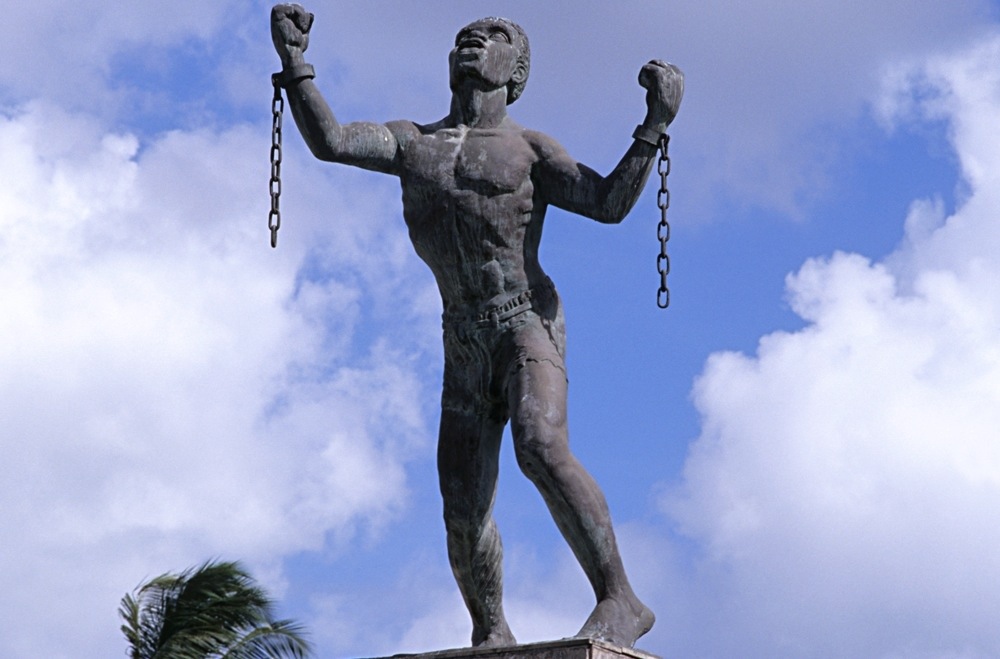
The History of Emancipation in the Caribbean
What is Emancipation?
Emancipation means setting enslaved people free. In the Caribbean, this was a very important event that changed many lives.
Why Did Emancipation Happen?
- Unfairness of Slavery: Many people believed that slavery was wrong. Enslaved people worked hard on plantations but were not paid and were often treated badly.
- Rebellions: Enslaved people tried to fight for their freedom. In places like Jamaica, there were famous uprisings, such as the one led by Samuel Sharpe in 1831.
- Changing Views: Over time, more people in Europe began to think that slavery should end. They spoke out against it and worked for change.
Key Dates in Emancipation
- 1833: The British government decided to end slavery in all British colonies, including the Caribbean. This was called the Slavery Abolition Act.
- August 1, 1834: Slavery officially ended in many Caribbean islands, but a system called apprenticeship was put in place. This meant that former enslaved people had to work for their old masters for a few more years without pay.
- August 1, 1838: The apprenticeship system ended, and all former enslaved people were fully free.
Celebrating Emancipation
- Emancipation Day is celebrated on August 1st each year in many Caribbean countries. It is a day to remember the struggle for freedom and to honor the lives of those who fought against slavery.
Importance of Emancipation
Emancipation was a major turning point in the Caribbean. It allowed former enslaved people to live freely, work for themselves, and build their own communities. It is an important part of the history that helps us understand the value of freedom and equality today.
The Importance of Emancipation
Emancipation is the process of being set free from legal, social, or political restrictions. For grade 5 students, understanding the importance of emancipation can be broken down into a few key points:
-
Freedom from Slavery: Emancipation, especially in the context of the United States, refers to the freeing of enslaved people. This was a crucial step towards equality and justice.
-
Human Rights: Emancipation highlights the importance of recognizing everyone’s right to freedom. It teaches us that all people deserve to be treated with dignity and respect.
-
Social Change: The movement towards emancipation led to significant changes in society. It helped pave the way for civil rights and the fight against discrimination.
-
Historical Impact: Understanding emancipation helps us learn about history and its impact on present-day society. It shows how struggles for freedom can lead to positive changes.
-
Inspiration for Future Generations: The stories of those who fought for emancipation can inspire us to stand up for what is right and to advocate for justice and equality today.
Conclusion
The history of Emancipation in the Caribbean teaches us about the fight for justice and the importance of treating everyone with respect. It reminds us of the strength of those who sought freedom and the progress that has been made since then.
Now 👦👧boys and girls let us watch a video clip on the history of Emancipation
Click and Watch Click and watch Click and Watch
Now 👦👧boys and girls test your knowledge by doing the tasks below to see how much you have learnt on the history of Emancipation
Task 1
Use the information above to fill in the blank space for each question
- Emancipation
Day is celebrated on ___________ in Jamaica.
- The
___________ Abolition Act was passed in 1833, which led to the end of
slavery in British colonies.
- In
Jamaica, slavery officially ended on ___________ (date).
- Before
Emancipation, many enslaved people worked on ___________ (type of farms).
- The
___________ was the journey taken by enslaved Africans across the Atlantic
Ocean.
- Samuel
Sharpe led a famous rebellion in Jamaica in the year ___________.
Task 2
Write True or False Questions
- Emancipation
Day marks the beginning of slavery in Jamaica.
- The
Middle Passage was a safe journey for enslaved Africans.
- The
Slavery Abolition Act was passed in 1833.
- Enslaved
people in Jamaica were immediately free in 1834.
- Samuel
Sharpe is known for leading a rebellion against slavery in Jamaica.
- Emancipation
Day is only celebrated in Jamaica, not in other Caribbean countries.
Task 3
Answer all the questions in your notebook.
- Imagine you are a child living in Jamaica on Emancipation Day in 1838. How would you feel about your family’s new freedom? What would you want to do to celebrate?
- If
you could meet Samuel Sharpe, what questions would you ask him about his
experiences and why he decided to lead a rebellion?
- Think
about the hardships faced by enslaved Africans during the Middle Passage.
What do you think were some of their biggest fears during the journey?
- If
you were planning a school project on Emancipation, what key facts would
you want to include? Why do you think these facts are important for your
classmates to know?
- Imagine
you are writing a letter to a friend in another country about Emancipation
Day. What would you tell them about its significance and how it is
celebrated in Jamaica?
- If you were a teacher explaining the importance of Emancipation to your class, what activities would you suggest to help them understand the impact of this historical event?


Comments
Post a Comment